
What It Does
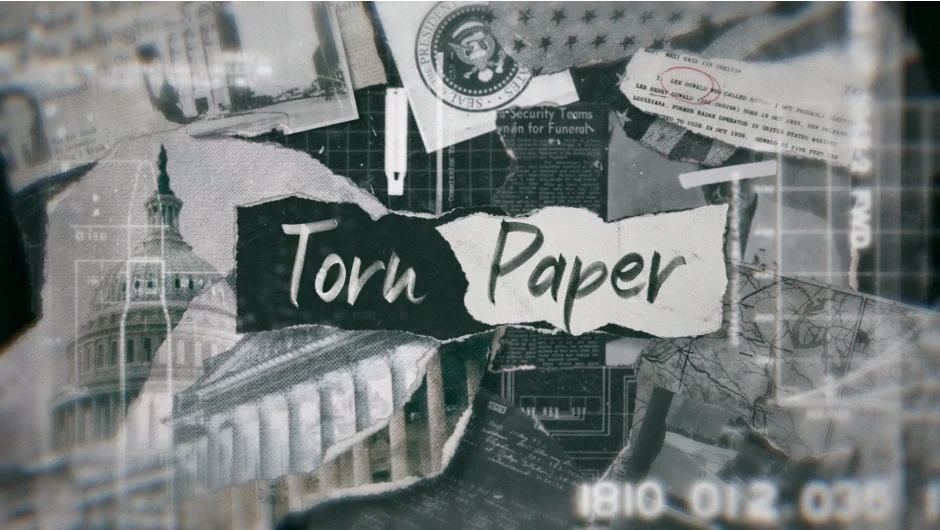
Torn Paper applies a procedural torn paper effect to any masked layer in After Effects. It generates the torn edge geometry, paper fibers, fold marks, and grunge directly in the plugin, driven by GPU acceleration (CUDA on Windows, Metal on Mac). Intel Macs are not currently supported.
Because the entire effect is procedural, you can animate it by keyframing the mask. Want a tear that grows across the screen? Animate the mask shape and the edge follows. No pre-rendered assets, no stock library subscriptions, no Photoshop brushwork required.
Key Features
Torn edges with inner/outer controls. Separate parameters for roughness, jaggedness, and notches on both sides of the tear give you precise control over how raw or delicate the edge looks.
Paper fibers. Fibers extend naturally from the torn edge with controls for length, density, and shadow depth. This is what separates the effect from a simple mask feather.
Fold marks. Positionable anywhere on the layer, fold marks come with crack detail and dual-sided shadows for depth.
Dirt, smudges, and dust. Independent controls for aged, weathered looks. Useful for scrapbook animations, historical documentary titles, or anything needing a worn paper aesthetic.
Random seed. Changing the seed generates a completely different tear pattern, fiber placement, and grunge distribution without touching any other parameters.
Resolution independent. The procedural generation means quality holds at any output size.
Who It’s For
Motion designers working on documentary titles, vintage or retro aesthetics, scrapbook-style animations, music videos, or historical pieces will find the most use here. It also works as a transition device: a tear revealing the layer underneath is a common use case that would otherwise require tracking down stock footage or building a complex mask rig by hand.
Pricing
Torn Paper is a one-time purchase available at aescripts.com. A free trial is available for evaluation before buying. Compatible with After Effects 2025 and 2026.