
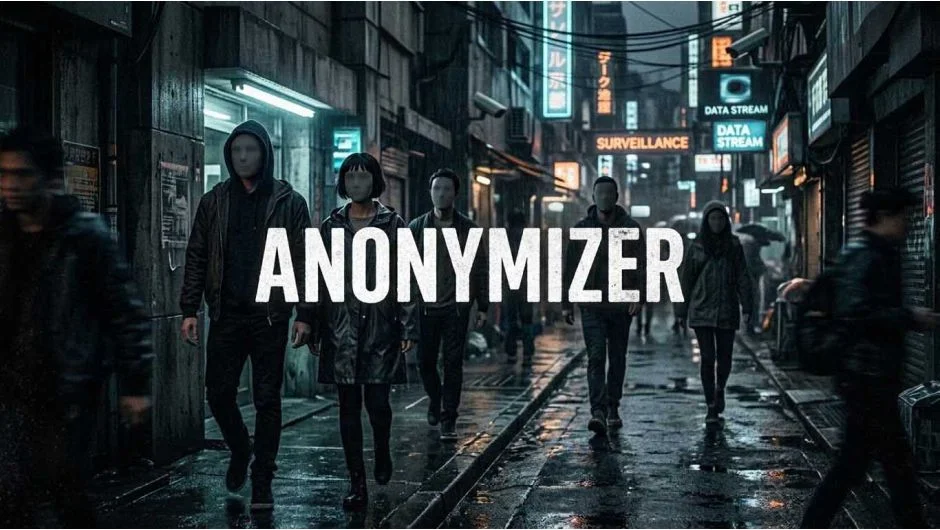
What It Does
Anonymizer detects every face in a video frame and replaces it with a synthetic AI-generated identity. The replacement face is matched to the original subject’s gender, ethnicity, and approximate age, so the result reads as a real person while concealing the actual individual. Expressions, lighting, and motion are preserved across the shot.
Beyond face swapping, the plugin also offers traditional face blurring and pixelization as standalone or combined methods. All three approaches can be stacked, so you can layer AI replacement with blur on top for extra protection.
Common use cases include documentary and journalistic footage where subjects need anonymity, commercial projects using non-cleared talent, research footage, and any situation where releasing identifiable faces is a legal or ethical concern.
Key Features
AI Face Replacement. The core feature. Automatically swaps detected faces with AI-generated identities that match the original subject’s demographic attributes. No manual rotoscoping or tracking required.
Automatic Face Blurring. Tracks faces through a clip and applies a blur that follows subjects as they move. No per-frame keyframing needed.
Pixelization. Broadcast-style pixel masking with adjustable intensity, from subtle obscuring to full identity removal.
Stackable Methods. All three anonymization modes can be combined. Useful when a single method alone may not be sufficient for sensitive footage.
Who It’s For
Documentary editors, journalists, and social researchers who regularly work with footage requiring identity protection will get the most direct value here. It’s also relevant for commercial production teams dealing with talent clearance issues, or anyone needing to release footage publicly without exposing individuals.
Anonymizer works in After Effects, Premiere Pro, DaVinci Resolve, and Nuke, covering most professional post-production environments.
Pricing
Anonymizer is a one-time purchase at $49.99. A free trial is available from the aescripts product page. License options include single user, floating server, and render-only.